

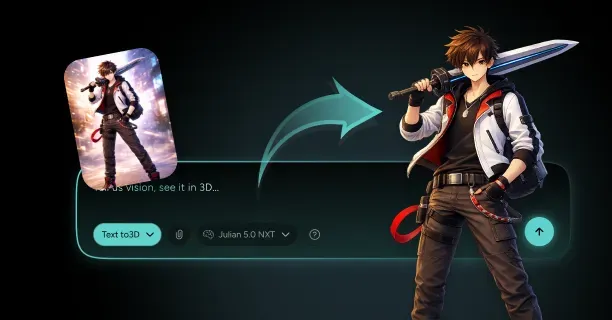
How Do You Keep Shonen Proportions And Style Consistent In 3D From A Single Reference?
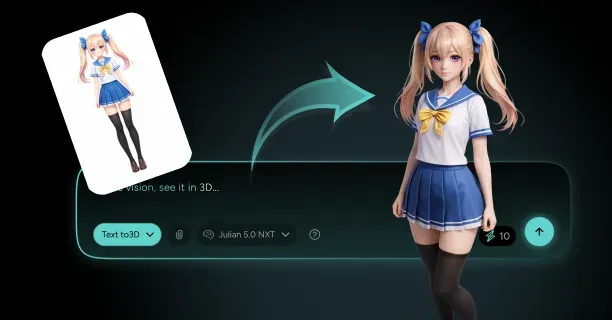
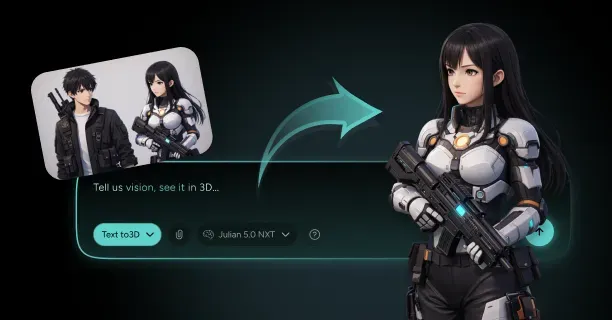
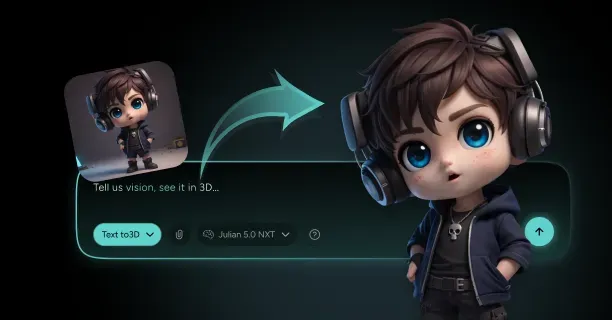
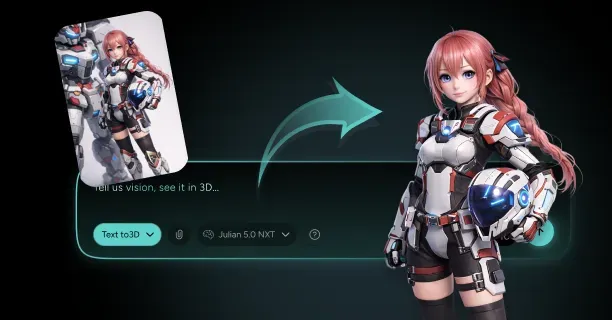
To keep shonen proportions and style consistent in 3D from a single reference, decompose the reference artwork into fundamental geometric primitives (spheres, cylinders, boxes), establish precise head-to-body anatomical ratios (typically 7-8 heads tall for heroic protagonists), and implement style-locking techniques that preserve the source aesthetic’s visual integrity across all viewing angles (360-degree consistency). The 3D conversion process transforms flat 2D reference artwork into volumetric 3D character models while preserving the exaggerated anatomical proportions (elongated limbs, simplified musculature) and visual clarity (graphic readability, silhouette recognition) that characterize effective shonen character design for action-oriented animation.
Meta Description: You preserve shonen anime proportions in 3D by analyzing the reference image’s anatomical structure, extrapolating missing angles using genre archetypes, and applying consistent modeling rules that maintain stylistic integrity throughout the conversion process.
Anatomical Deconstruction Establishes Your Proportional Foundation
3D modelers systematically deconstruct the 2D reference artwork into measurable geometric primitives:
- Tapered cylinders representing limbs (arms, legs, fingers)
- Spherical forms representing articulated joints (shoulders, elbows, knees)
- Tapered rectangular boxes representing torso volumes (chest, abdomen, pelvis)
These primitives reveal the underlying proportional relationships (head-to-body ratios, limb length ratios, shoulder-to-hip proportions) the resulting 3D character model must preserve for stylistic accuracy. This deconstruction exposes the character’s head-to-body ratio, which serves as the primary measurement system for all subsequent modeling decisions.
Character designers establish the proportional standard of 7 to 8 head heights for heroic shonen protagonists (main characters in action anime series), creating an elongated vertical silhouette that visually communicates:
- Physical strength
- Athletic capability
- Character maturity through exaggerated anatomical proportions
| Character Element | Measurement Standard |
|---|---|
| Total Height | 7-8 head units |
| Shoulder Width | 1.5x head width |
| Torso Length | 2.5-3 head units |
| Leg Length | 3.5-4 head units |
| Arm Span | 2.5-3 head units |
Male shonen characters feature shoulders measuring 1.5x shoulder width relative to head width, producing the powerful V-taper torso that signals physical capability. Document these ratios in a style guide that defines key visual rules for your entire modeling workflow.
3D modelers systematically analyze the character’s visible anatomical structures (observable proportions, muscle definition, skeletal landmarks) shown in the reference image to extrapolate and calculate proportional measurements for viewing angles (back view, profile perspective, opposite three-quarter view) that the single reference image doesn’t explicitly depict. Examine the visible shoulder width, chest depth, and hip placement to calculate what the character’s profile and back views should display if your reference shows a three-quarter view.
Established genre archetypes (standardized character design conventions from successful shonen series) inform and enable accurate proportional extrapolation. Shonen protagonists consistently exhibit common anatomical patterns:
- Narrow waists (creating athletic V-taper torsos)
- Broad shoulders (measuring approximately 1.5 times head width)
- Prominent angular jawlines (defining masculine facial structure)
These patterns guide the 3D modeler’s interpretation and reconstruction of anatomical information missing from the single reference image.
Threedium’s computer vision AI system automatically analyzes the uploaded reference image’s anatomical structure using machine learning algorithms to establish precise proportional relationships, calculating head-to-body ratios (measuring total height in head-height units), identifying key anatomical landmarks (shoulder width measurements, torso length from neck to hips, limb segment proportions), and extracting numerical measurements that form the foundation for accurate 3D character model construction.
Style Guides Define Visual Rules That Prevent Proportional Drift
3D modelers create this comprehensive style guide (proportional documentation system) by systematically extracting and documenting specific numerical relationships from the source reference artwork:
- Head to shoulder width ratio (typically 1:1.5 for heroic characters)
- Torso to leg length proportions (approximately 45:55 distribution of total height)
- Hand size relative to face size (hands typically span from chin to mid-forehead when placed against face)
These measurements become fixed parameters that govern all modeling decisions, preventing proportional drift as you build geometry the reference doesn’t explicitly show.
Measure the reference image’s leg length from hip socket to ankle, then establish this ratio as a fixed rule. Shonen character designs systematically incorporate elongated leg proportions (exaggerated lower body length) that comprise approximately 50-55% of total body height (measured from hip socket to ankle), significantly exceeding realistic human proportions (typically 45-48%). This enables:
- Athletic dynamic stance
- Wide movement range
- Action-oriented combat poses
- Running sequences
- Jumping motions characteristic of the genre’s fight choreography
Arms extend to mid-thigh when hanging naturally, with forearms slightly longer than upper arms to emphasize reach during combat poses.
Facial Proportion Standards:
| Feature | Measurement Rule |
|---|---|
| Eye spacing | One eye-width apart |
| Nose position | Halfway between eyes and chin |
| Mouth placement | One-third distance from nose to chin |
| Eye vertical space | One-third of total face height |
| Eye centers | Horizontal midline position |
Shonen character designs employ simplified facial structures (reduced anatomical complexity, graphic clarity) in which the eyes occupy approximately one-third of the face’s total vertical space (measured from chin to hairline), with eye centers positioned precisely at the horizontal midline (equidistant from crown to chin), creating enlarged, expressive eyes that emphasize emotional communication and character recognition.
Joint Position Standards:
- Elbow joint at natural waistline (torso’s narrowest point)
- Wrist at crotch level when arms hang naturally
- Harmonious proportional relationships that facilitate dynamic action poses
Stylistic Interpretation Bridges the Gap Between 2D and 3D Representation
3D modelers systematically analyze how the source reference artwork employs 2D visual conventions:
- Line weight variation (thick outlines for silhouettes, thin lines for internal details)
- Shading patterns (cel-shaded regions, highlight placement) defining volumetric form
- Silhouette clarity (sharp edges, readable shapes) establishing geometric boundaries
These translate into corresponding 3D modeling decisions including:
- Edge sharpness (hard vs. soft geometry transitions)
- Polygon density (detail concentration)
- Surface subdivision (form definition)
Thick outline edges in the reference suggest where your 3D model should feature sharp geometric transitions rather than smooth curves, maintaining the graphic clarity shonen art demands.
Stylized Muscle Group Approach:
- Deltoids appear as distinct spherical forms
- Pectorals as clean geometric planes
- Abdominals as clearly separated segments
Shonen character designs deliberately employ non-photorealistic anatomy (stylized body structure deviating from accurate human musculature) where muscle groups conform to simplified geometric shapes that prioritize visual readability and instant recognition rather than realistic anatomical complexity.
Hair Geometry Rules:
3D artists construct hair geometry as distinct geometric chunks (solid polygonal masses, volumetric hair sections) that precisely replicate the reference image’s hair silhouette. Treat each individual spike, bang, or hair cluster as a separate sculptural element rather than attempting realistic strand-by-strand hair simulation.
Shonen hair defies physics, featuring gravity-defying spikes and volumetric clumps that read as solid shapes rather than individual strands. The hair’s outline must remain crisp and readable from all angles.
Clothing Fold Patterns:
- Vertical folds on hanging fabric
- Horizontal compression folds at joints
- Diagonal tension folds across stretched areas
Consistency Through Combined Modeling and Shading Techniques
Configure your 3D software’s shading system to replicate the reference’s lighting approach: flat base colors with sharp shadow terminations rather than gradual photorealistic shading. Consistency emerges through a combination of modeling and shading that work together to preserve the reference’s aesthetic.
Cel-Shading Configuration:
Set up your materials to use stepped shading ramps that create two or three distinct brightness levels rather than smooth gradients. Cel-shading rendering technique (also called toon shading) computationally segments 3D surface illumination into discrete light and shadow regions (typically 2-3 distinct brightness levels) with sharp, hard-edged boundaries between brightness zones.
Shadow placement follows artistic rules rather than physical accuracy: shadows appear where they enhance the character’s form readability, not necessarily where realistic lighting would cast them.
Outline Rendering Standards:
- External silhouettes receive thicker lines than internal details
- Line weight varies based on importance
- Edge detection draws dark lines along model’s silhouette
Detail Density Rules:
Resist adding detail the reference doesn’t show, even when the 3D medium makes such detail technically possible. Shonen characters feature:
- Smooth skin without pores or blemishes
- Clean fabric without texture noise
- Simplified accessories without realistic wear
Apply automated style-locking with Threedium that analyzes your reference image’s shading patterns and configures cel-shading parameters to match. Our platform generates outline rendering that preserves line weight hierarchy from your 2D source.
Extrapolation Techniques Fill Information Gaps From Limited References
Primary Extrapolation Methods:
- Symmetry application for frontal or profile references
- Perspective correction for three-quarter view references
- Genre archetype application for missing anatomical information
- Proportional logic for depth and profile calculations
When a front-facing reference shows shoulder width and chest breadth but conceals back musculature, infer the back’s appearance by understanding that shonen characters feature prominent trapezius muscles and a tapered waist that mirrors the front view’s V-shape.
Three-Quarter View Corrections:
| Element | Correction Method |
|---|---|
| Far shoulder | Account for perspective foreshortening |
| Face width | Calculate true symmetrical proportions |
| Torso depth | Apply 40-45% of shoulder width ratio |
| Joint positions | Verify against established landmarks |
Profile Information Inference:
- Analyze chest depth indicators from reference
- Apply shonen male standard: chest depths approximately 40-45% of shoulder width
- Examine reference shading for depth cues
- Reference common shonen facial archetypes for missing features
Head-to-Body Ratio Verification Maintains Proportional Accuracy
Quality Control Checkpoints:
- Primary ratio verification: Place reference sphere scaled to head size
- Segment measurement: Verify torso spans 2.5-3 head units
- Limb proportions: Check legs measure 3.5-4 head units
- 360-degree rotation test: Ensure consistent silhouettes
Joint Articulation Testing:
Pose your 3D model in common action stances:
- Fighting poses
- Running poses
- Dramatic pointing gestures
Verify that the proportions remain visually consistent. Proportional errors become immediately apparent during posing, as limbs that measured correctly in neutral stance may appear too long, too short, or incorrectly placed during movement.
Geometric Primitives Simplify Complex Anatomical Forms
Primitive Shape Framework:
| Body Part | Primitive Shape | Key Measurements |
|---|---|---|
| Head | Egg-shaped ellipsoid | Match reference width/height |
| Torso | Tapered box | Shoulder width, shoulder-to-hip height |
| Pelvis | Smaller box | Angled slightly forward |
| Limbs | Tapered cylinders | Progressive taper ratios |
Limb Taper Ratios from Reference:
- Elbow measures 60-70% of shoulder width
- Wrist measures 40-50% of elbow width
- Upper arms taper from broad shoulders to narrower elbows
- Forearms taper from elbows to wrists
Edge Loop Placement:
Add edge loops at anatomically significant locations:
- Neck, shoulders, elbows, wrists
- Hips, knees, ankles
These edge loops allow the geometry to deform correctly during posing while maintaining the clean, simplified forms shonen style requires.
The primitive framework ensures consistency when you model details the reference doesn’t show. The back view’s torso should use the same tapered box primitive as the front, maintaining identical shoulder width and waist narrowness.
Material and Texture Decisions Reinforce Proportional Clarity
Material Configuration Guidelines:
- Apply flat base colors that match reference palette exactly
- Skip texture maps that add realistic surface detail
- Use solid colors or simple gradients that enhance form perception
- Configure specular highlights to emphasize character proportions
Highlight Placement Rules:
| Location | Purpose |
|---|---|
| Shoulder curve | Emphasize width |
| Hair spikes | Reinforce geometric structure |
| Clothing folds | Guide eye along body’s major forms |
Specular highlights follow artistic placement rules rather than physical accuracy. Reference your 2D source to identify where highlights consistently appear, then configure your 3D materials to replicate these patterns regardless of actual lighting conditions.
Transparency Element Handling:
Ensure semi-transparent elements (flowing scarves, energy effects, magical auras) don’t obscure the underlying body proportions. Model transparent elements as separate geometry layers that complement rather than hide the character’s form.
Threedium automatically generates materials that match your reference image’s color palette and shading style, applying cel-shading configurations that enhance rather than obscure your character’s proportions. You receive production-ready materials that maintain visual consistency across different lighting environments and rendering engines.